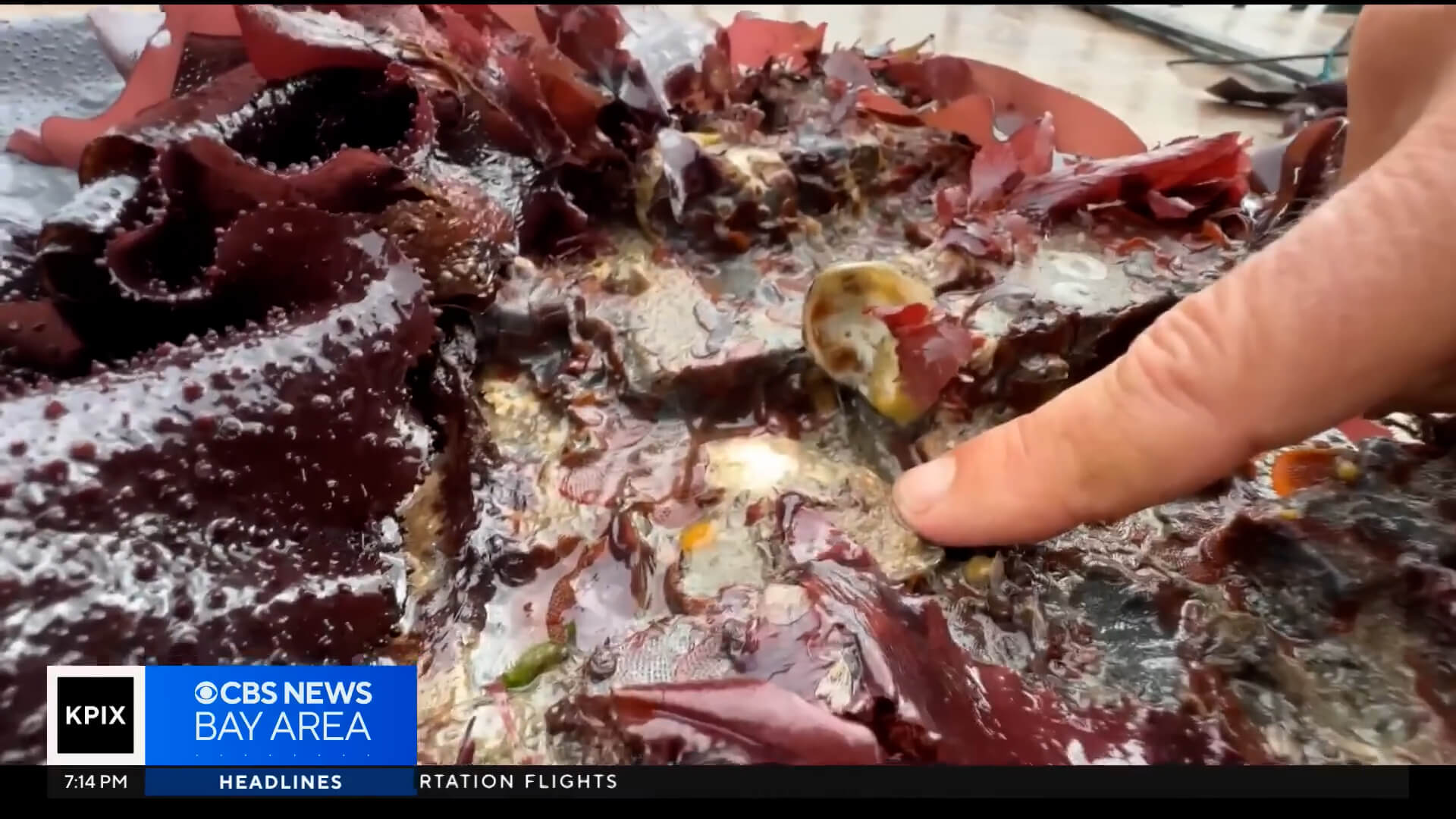
Long term monitoring confirms positive biodiversity and ecosystem results achieved with this enhanced seawall. Image: Port of San Francisco
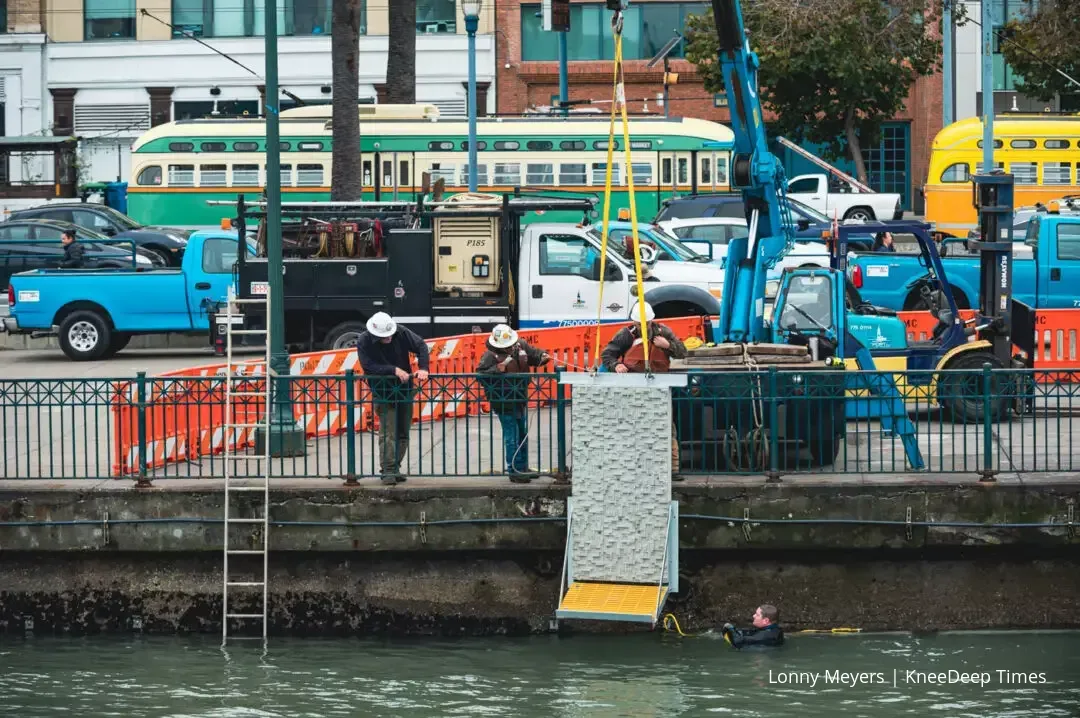
Traditional seawalls are typically smooth, exposed concrete surfaces that lack habitat complexity and can inadvertently favor invasive species. Long term monitoring led by the Port of San Francisco and the Smithsonian Environmental Research Center (SERC) show ECOncrete technology encourages the growth of native organisms and create diverse underwater habitat. (Image: Installation of the SF port Seawall, Credit: Lonny Meyers, Knee Deep Times).
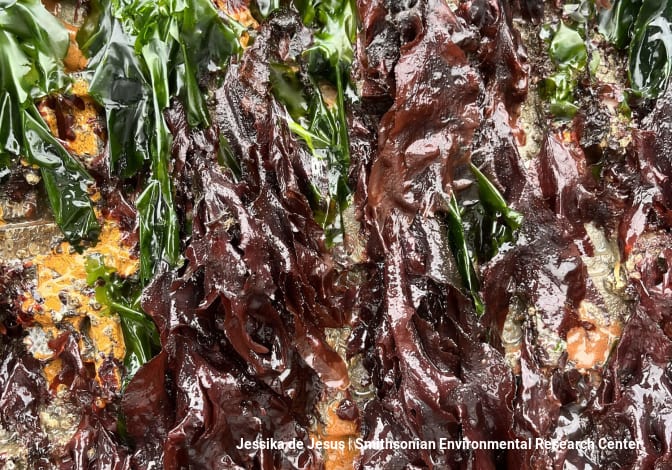
After two years of monitoring, SERC researchers observed thriving communities of native oysters, crabs, seaweed, and other marine life colonizing the specially designed seawall tiles. Preliminary findings indicate that these textured designs can significantly boost biodiversity and support native ecosystems in urban waterfront environments. (Image: Jessika de Jesus, SERC)
Articles & News Features
- San Francisco Port Website – Living Seawall Pilot
- CBS news Bay Area – Scientists seek to bring San Francisco’s aging seawall to life
- eco magazine – The Smithsonian is Making a Home for Local Species by Bringing San Francisco Bay Seawalls to Life
- SERC blog – Lessons From the Field: The Living Seawall, One Year Later
KneeDeep Times Articles
- Could Textured Tiles Bring SF Seawall to Life?
- Who’s on First at the SF Seawall?
- Nine Tiles Hint at Preferred Textures for Seawall Life
KQED