Port of Vancouver: Habitat Creation In Land Remediation Project
The Vancouver Fraser Port Authority
March 2026
Sterling Shipyard Land Remediation and Infill Project: Armor Blocks for Onsite Fish Habitat Compensation
The Goal
The land remediation and infill project resulted in loss of existing habitats for biodiversity and fish communities. The port looked for solutions for onsite habitat compensation to support lasting ecosystem health along this reconstructed waterfront.
The Challenge
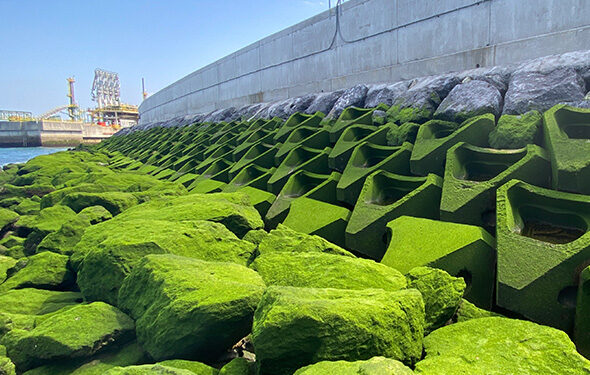
As part of the Sterling Shipyard Remediation and Infill project, measures were required to offset fish habitat loss while protecting the shoreline. The Port sought to implement onsite measures to offset habitat loss while stabilizing the newly constructed waterfront, demonstrating its commitment to balancing economic growth with environmental stewardship.
How we built it
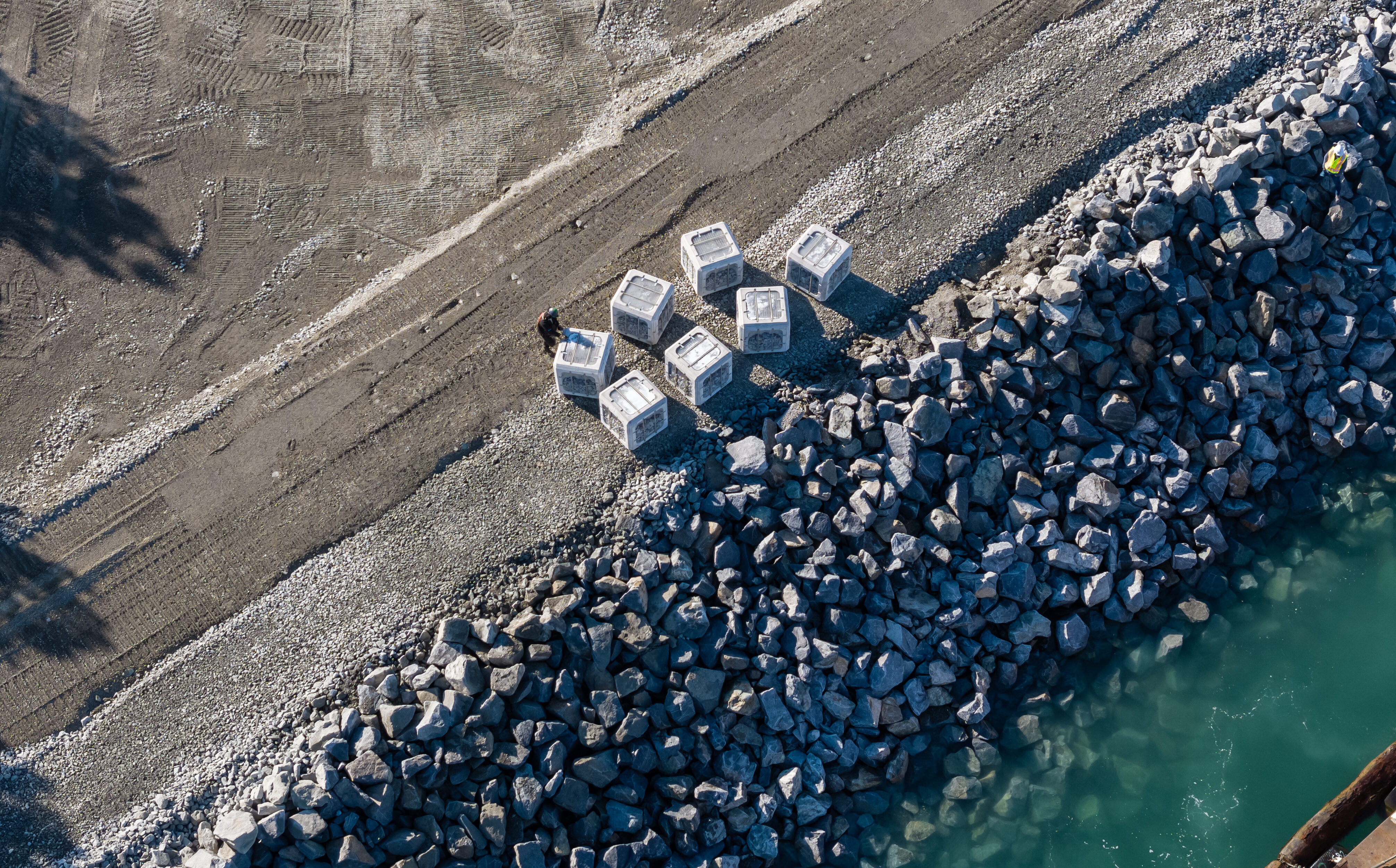
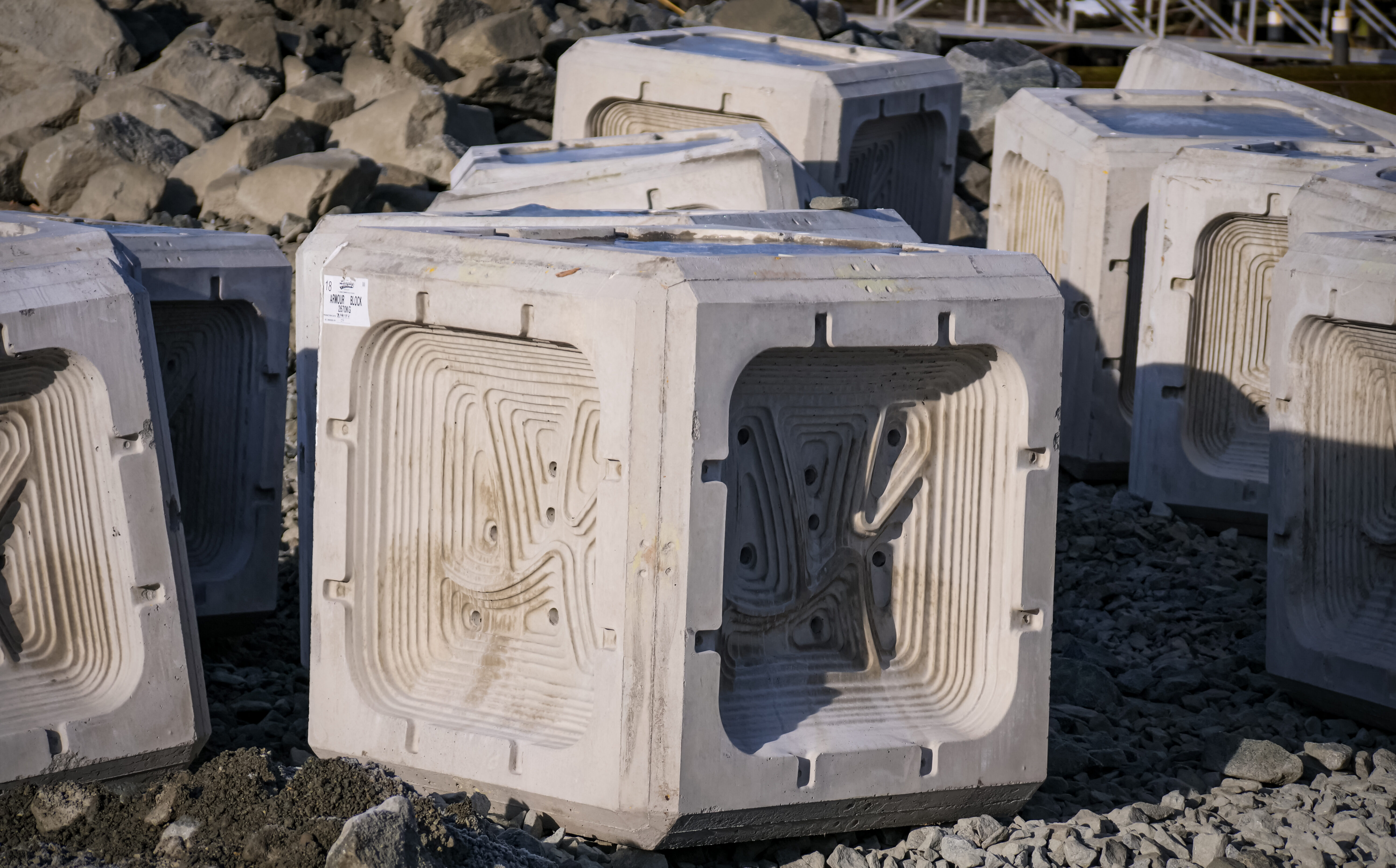
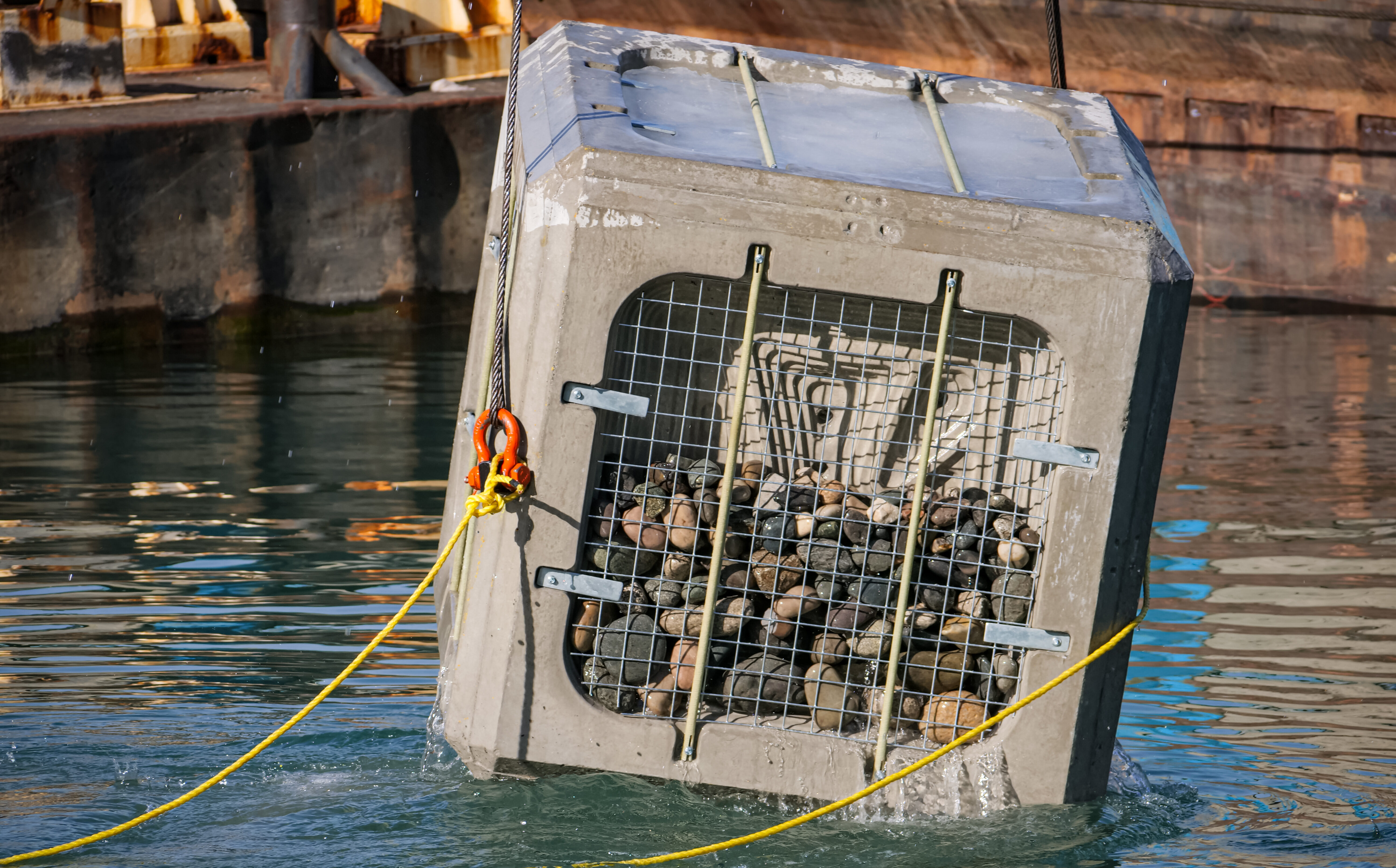
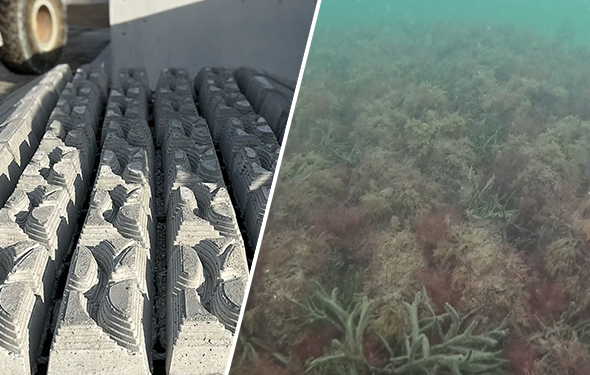
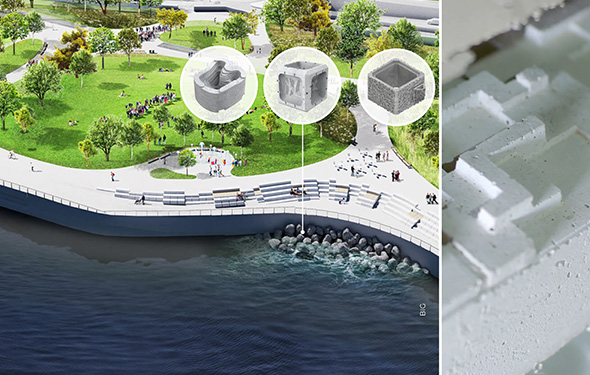
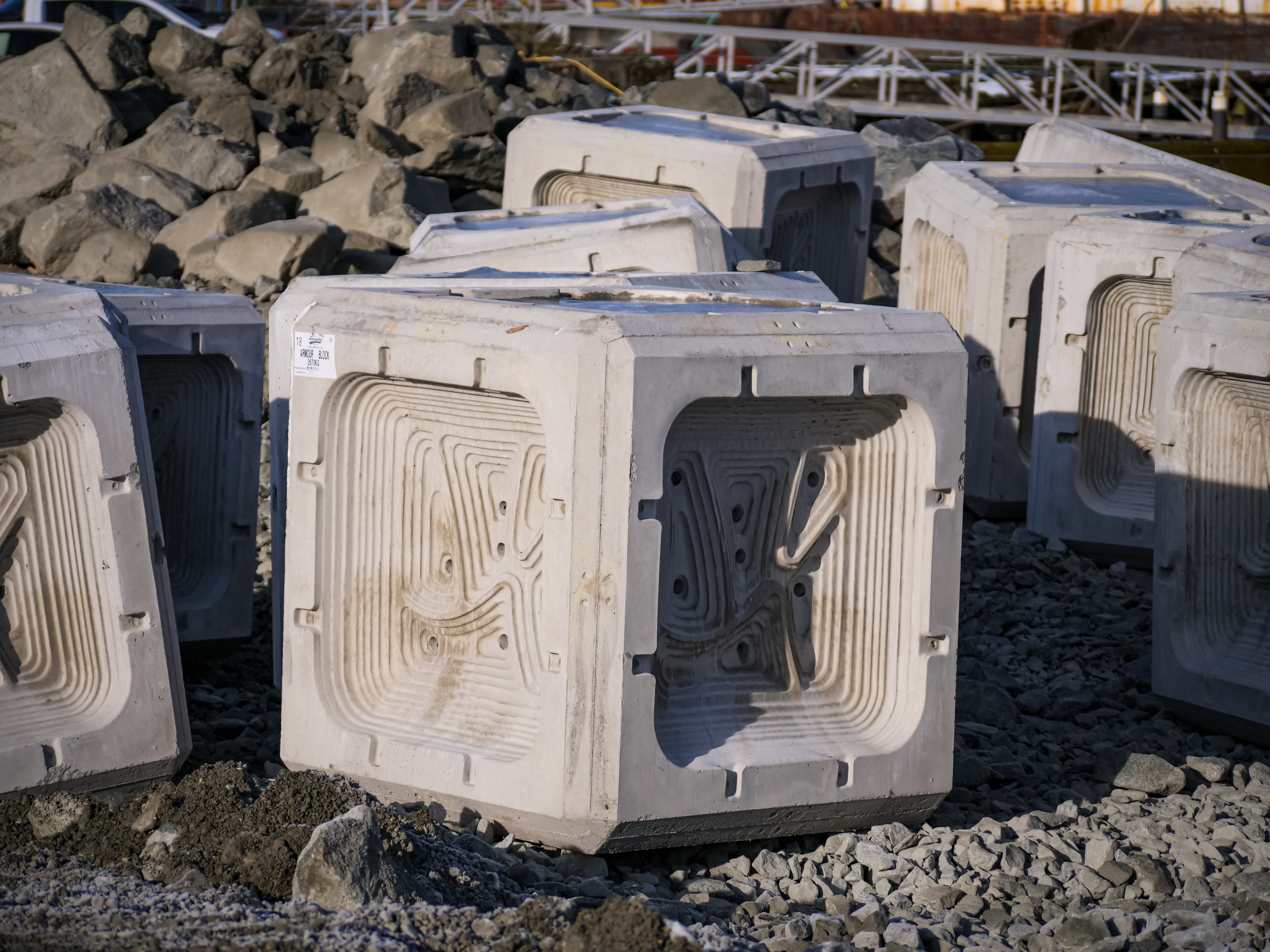
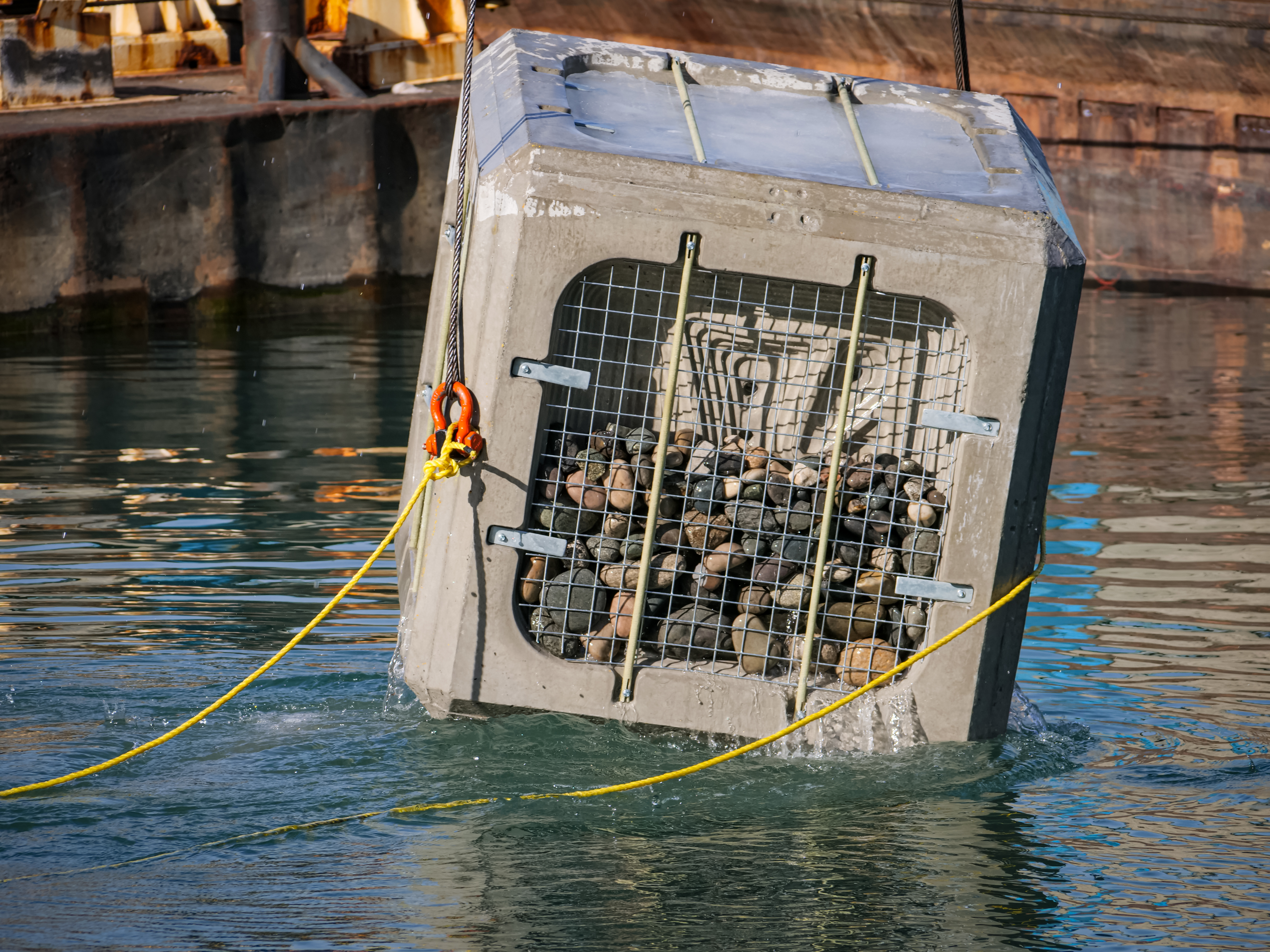
Our team of engineers and marine-biologists worked with the Port to define ecological targets and options for onsite habitat creation in this land remediation project. Our Armor Block units proved to be the ideal choice in combination with other measures put in place by the port to support ecosystem health in this new port section.
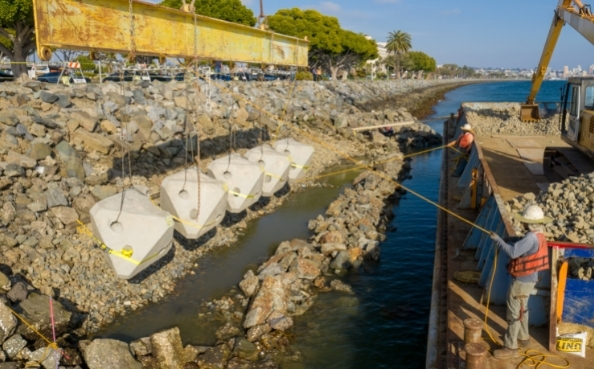
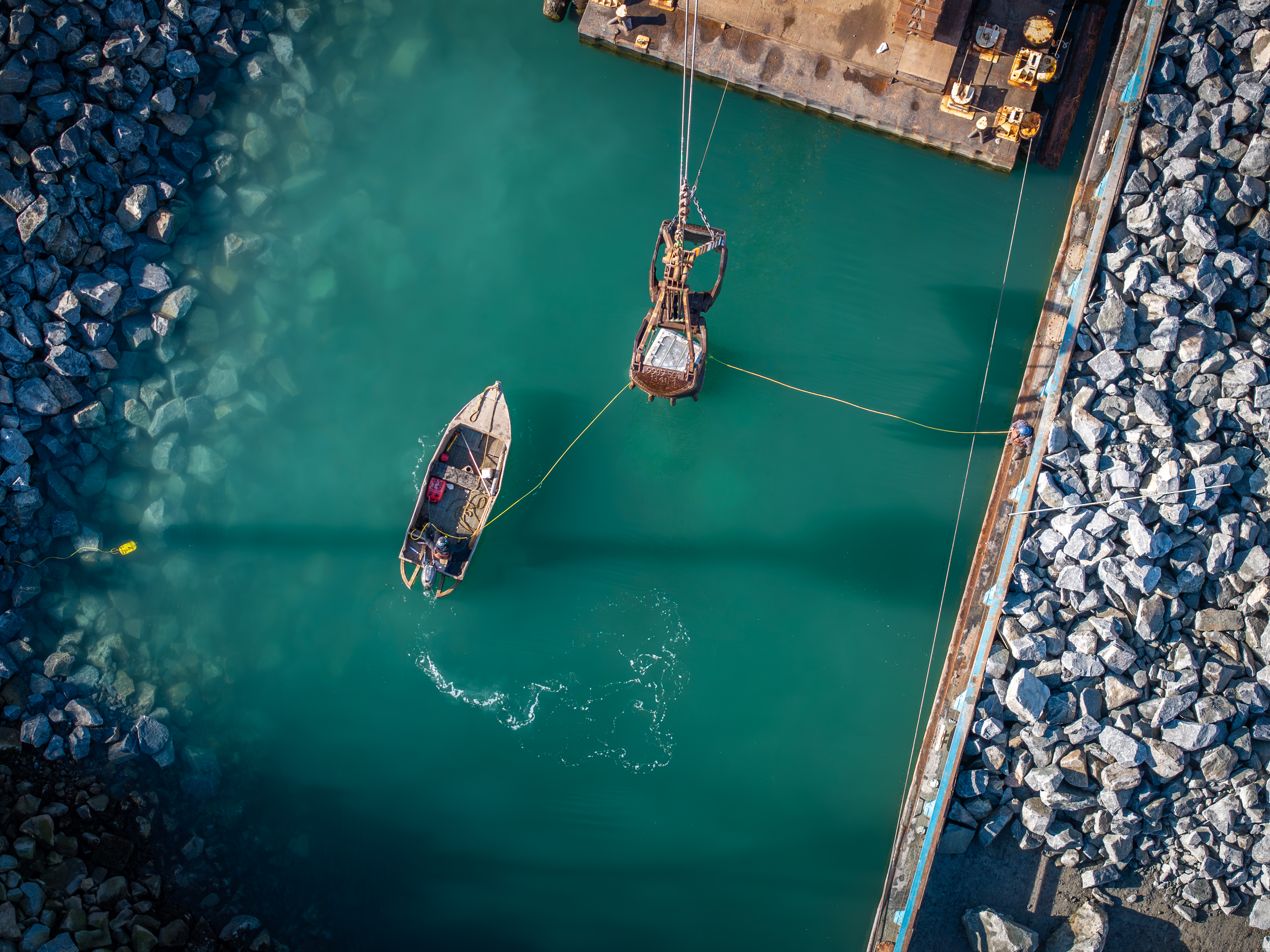
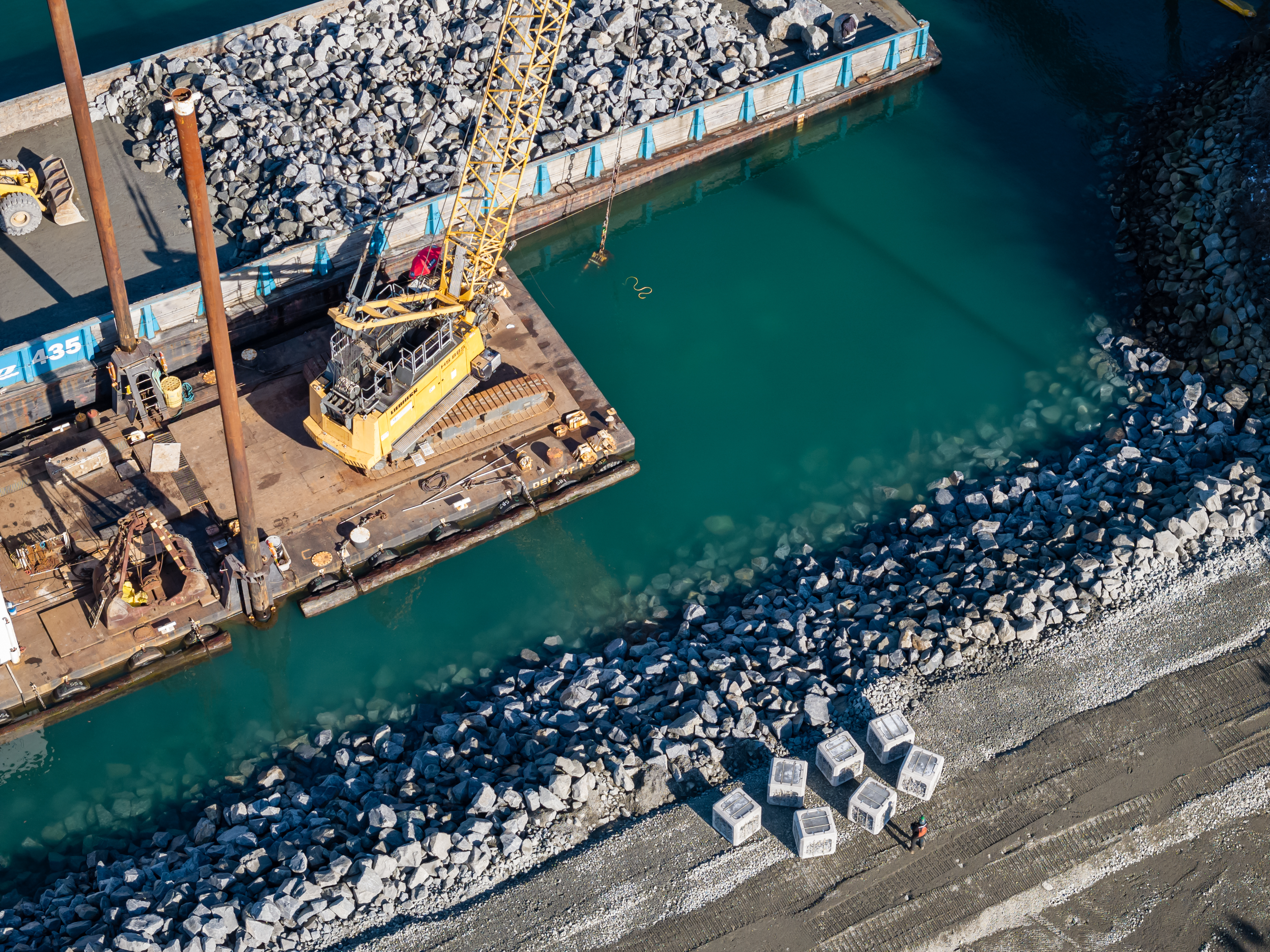
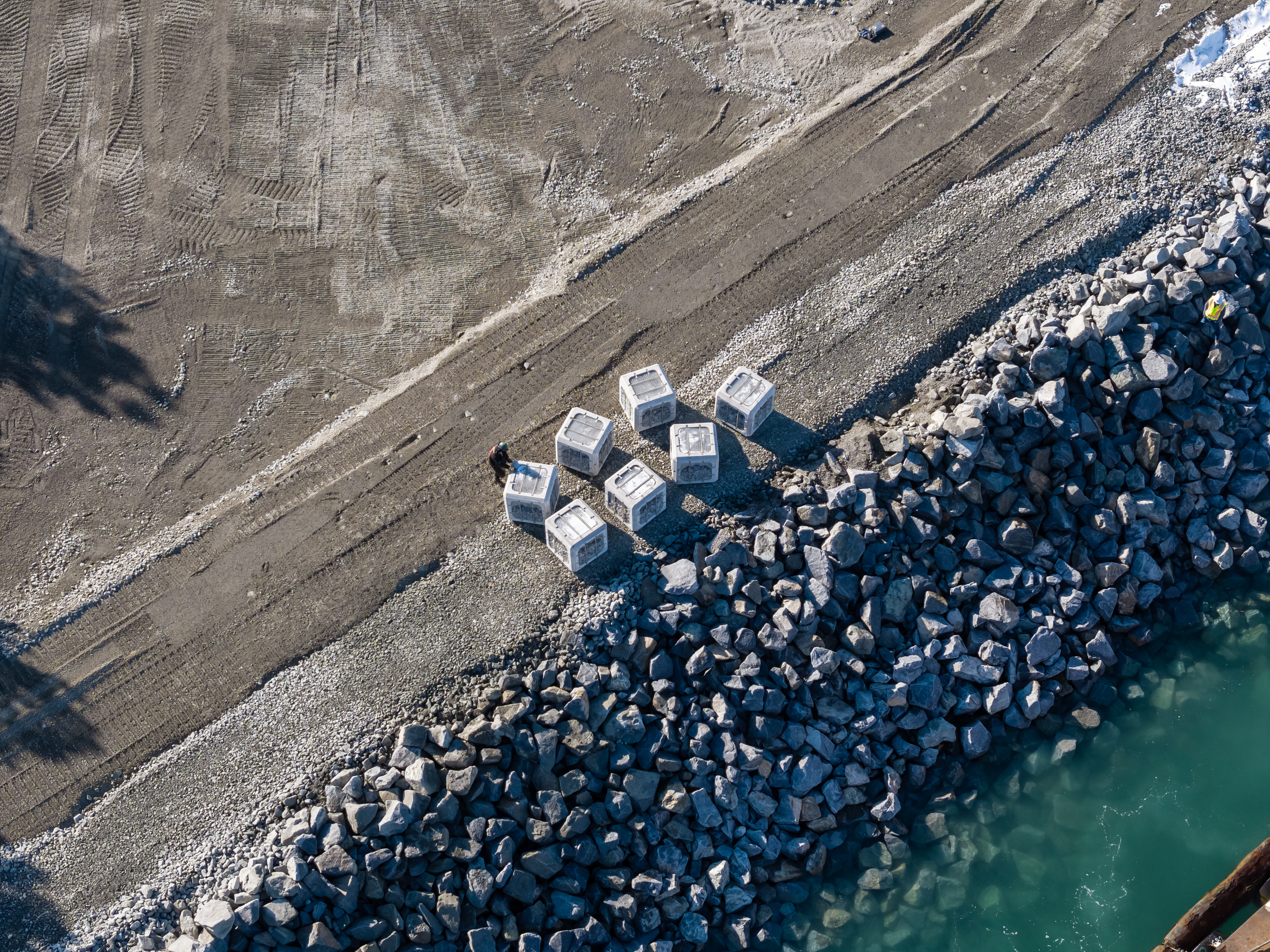
We collaborated with the regional supply chain to provide the port with the units to support the base of the rock berm revetment and create vital shoreline habitats for fish refuge and spawning.
This is an excellent example of new maritime port infrastructure delivering lasting onsite ecological compensation.